La Ventilla
There are three sites named "La Ventilla." Generally, when people say "La Ventilla," they mean "La Ventilla C." 250 meters southeast of that is "La Ventilla A," which has no tombs and about which little has been reported. 200 meters southwest of C is "La Ventilla B," which is said to have many tombs.
Archaeologists probably named them the same because they share some common features. If so, the area of these three sites would be at least 200 meters north to south and 400 meters east to west.
Excavations at La Ventilla C took place between 1992 and 2004. The resulting report, Memorias del Proyecto La Ventilla by Rubén Cabrera Castro & Sergio Gómez Chávez, is extensive and detailed.
Excavations are probably still ongoing. The general public is not allowed inside. The security older guard at Puerta 1 said, "As far as I can remember, the gates have never been open to tourists."
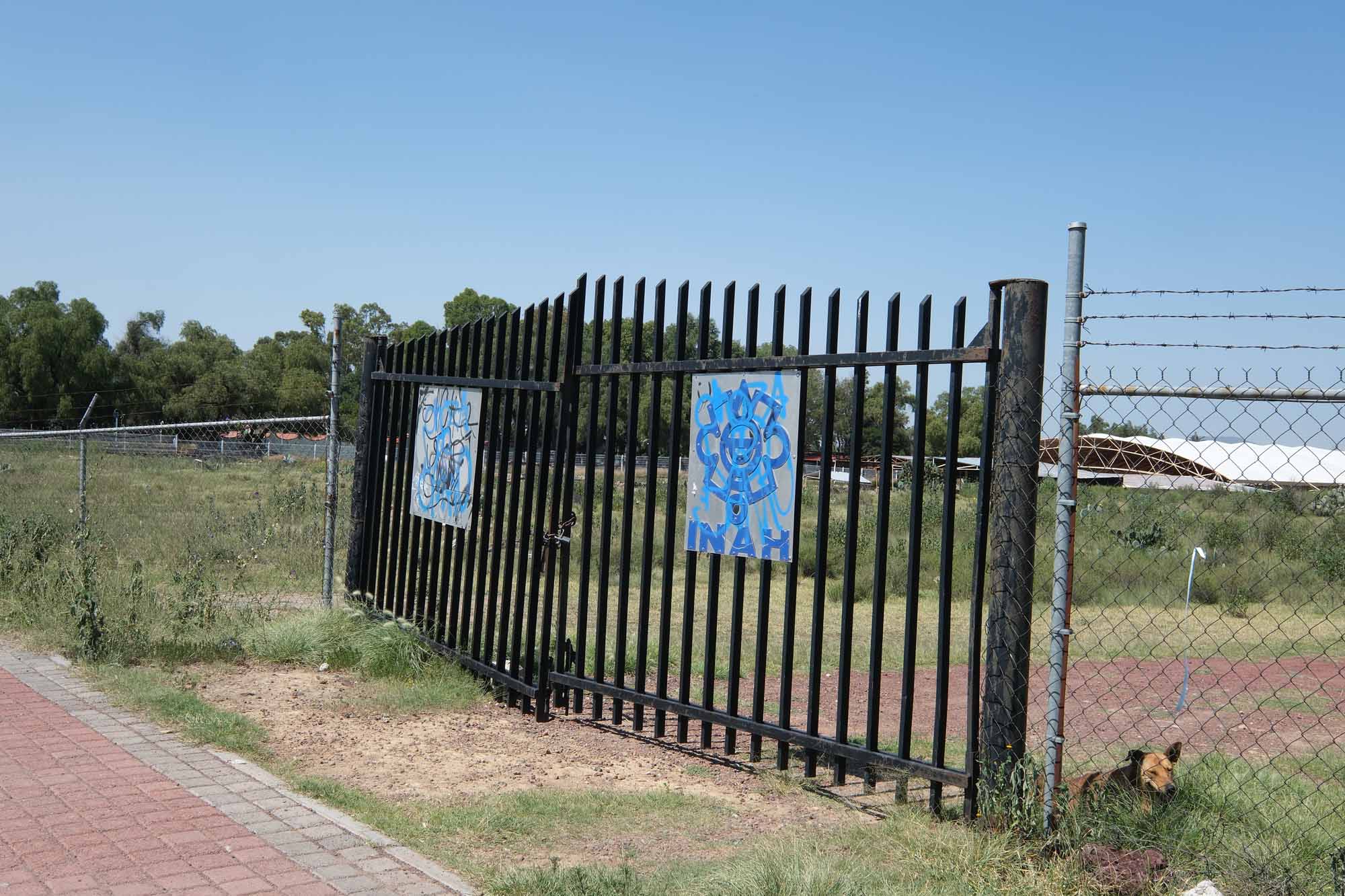
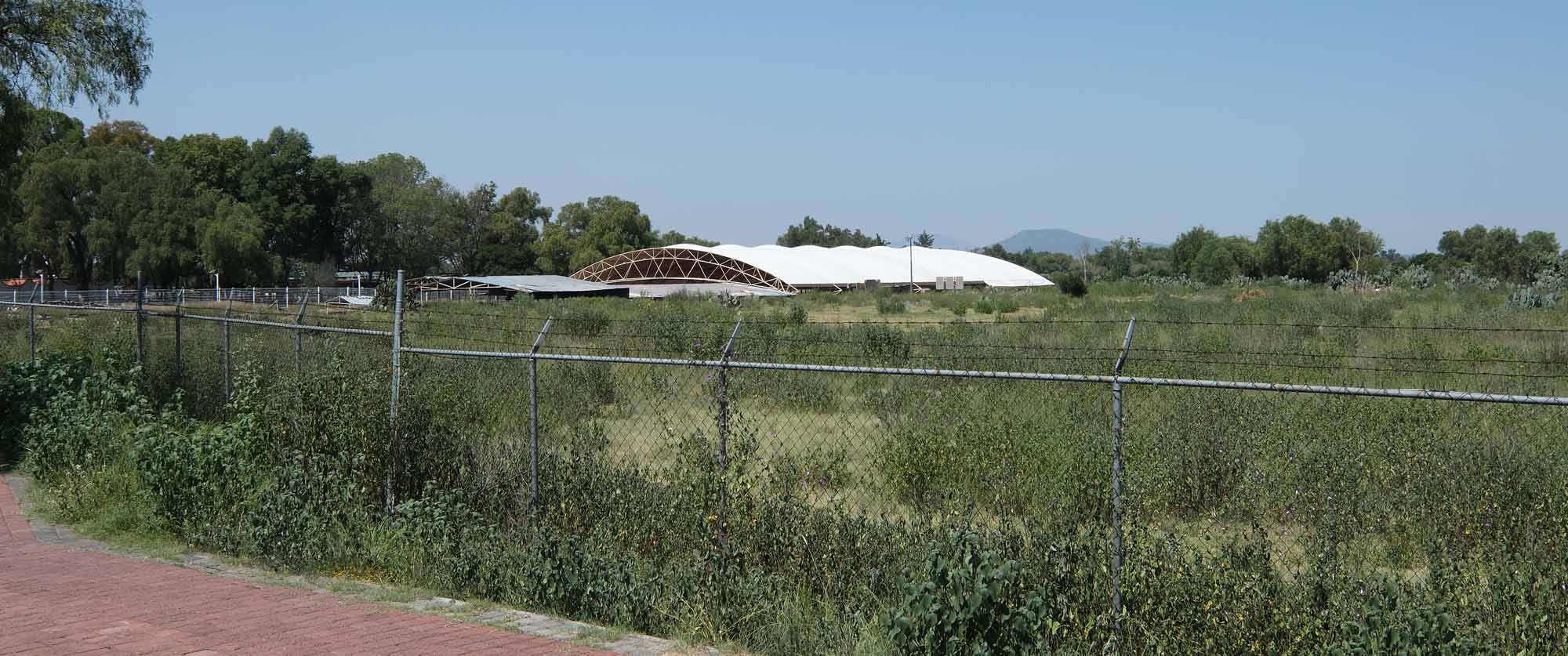
The rough timeline is as follows:
1. 100 BC - 100 AD...Excavated architectural traces are faint, but irrigation channels have also been found.
2. 100 AD-250 AD...Most of the previous buildings were demolished, and the basis for the current buildings was built. The population increased dramatically, and urbanization was accepted. Agriculture continued, but the people also found success in the production of crafts using obsidian and shells from the Gulf of Mexico.
3. 300 AD...To accommodate further population growth, the apartment complex area was expanded and the religious building was improved. The outer walls reached a height of 4m, and the facade of the temple building in Excavation Area 1 was expanded in five stages.
4. 378 AD...No abnormal effects were detected at Ciudadela. Growth continued.
5. 550 AD...No signs of burning. However, there are signs of heavy looting, after which many entrances and exits were sealed off with stone walls.
6. The era is unknown, but there are many murals, including wave crests, geometric patterns combining circles and lines, and jaguars.
Now let's look at the layout.
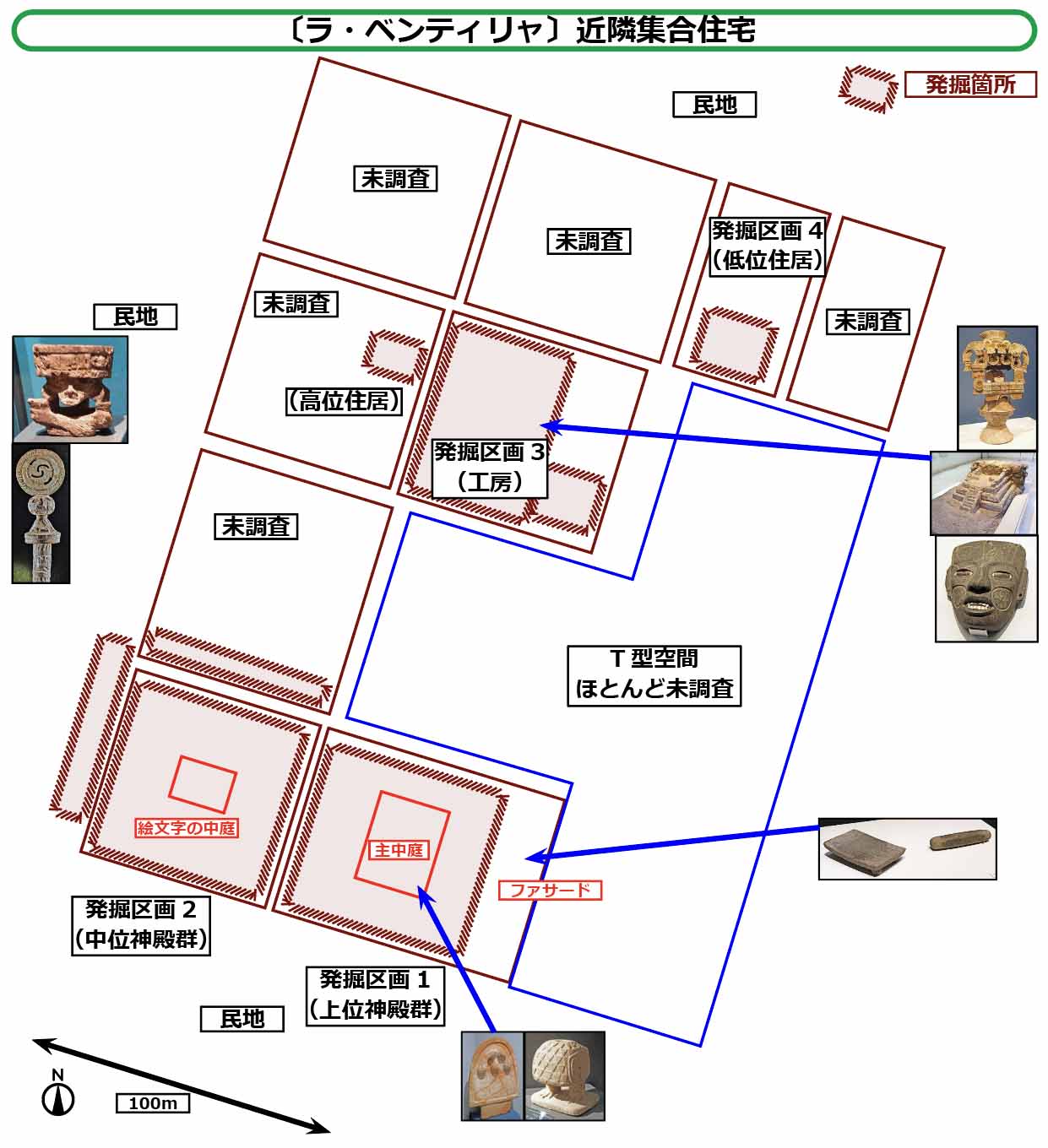
Here too, we don't know the whole picture. The "T-shaped space" on the east side of the diagram above may have been farmland, a plaza, or a "mostly vacant lot" for the future expansion of apartment complexes. The south, west, and north sides are private land and cannot be touched. It is possible that they were once the largest neighborhood apartment complexes in Teotihuacan.
"Teotihuacan Ball Marker"
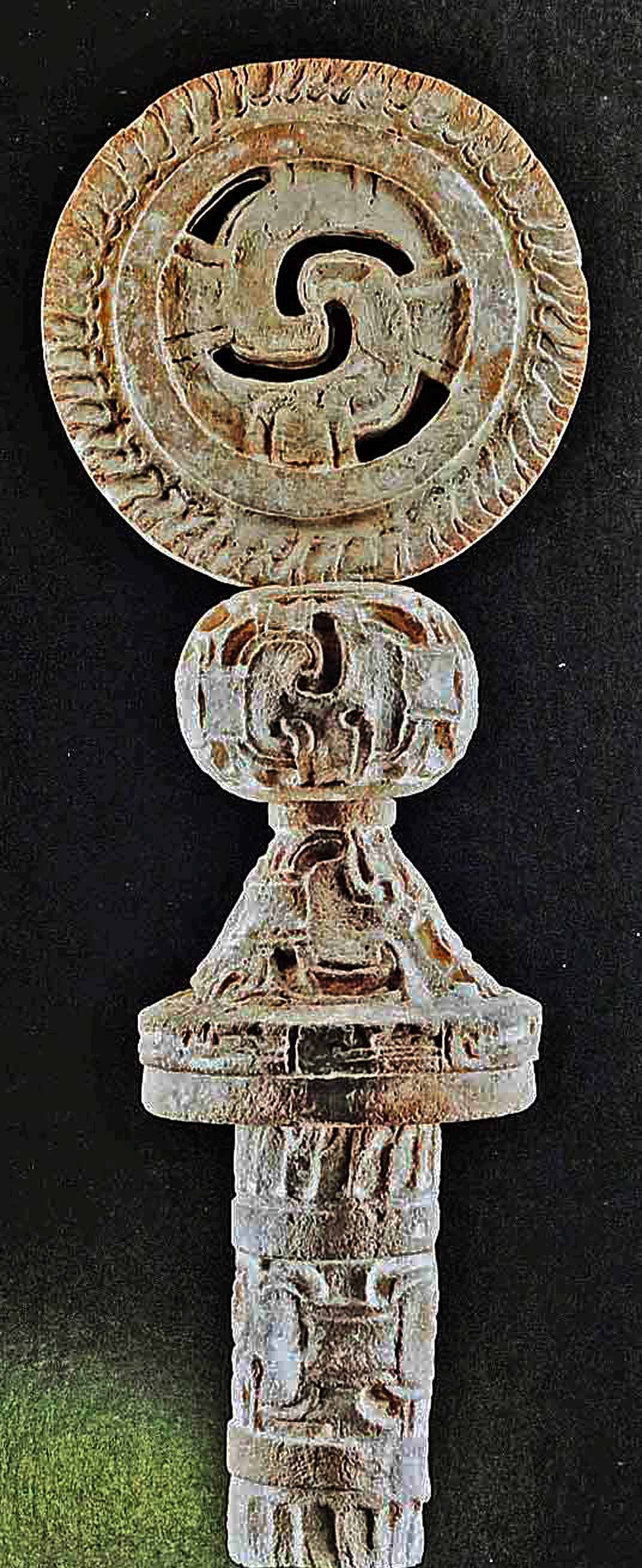
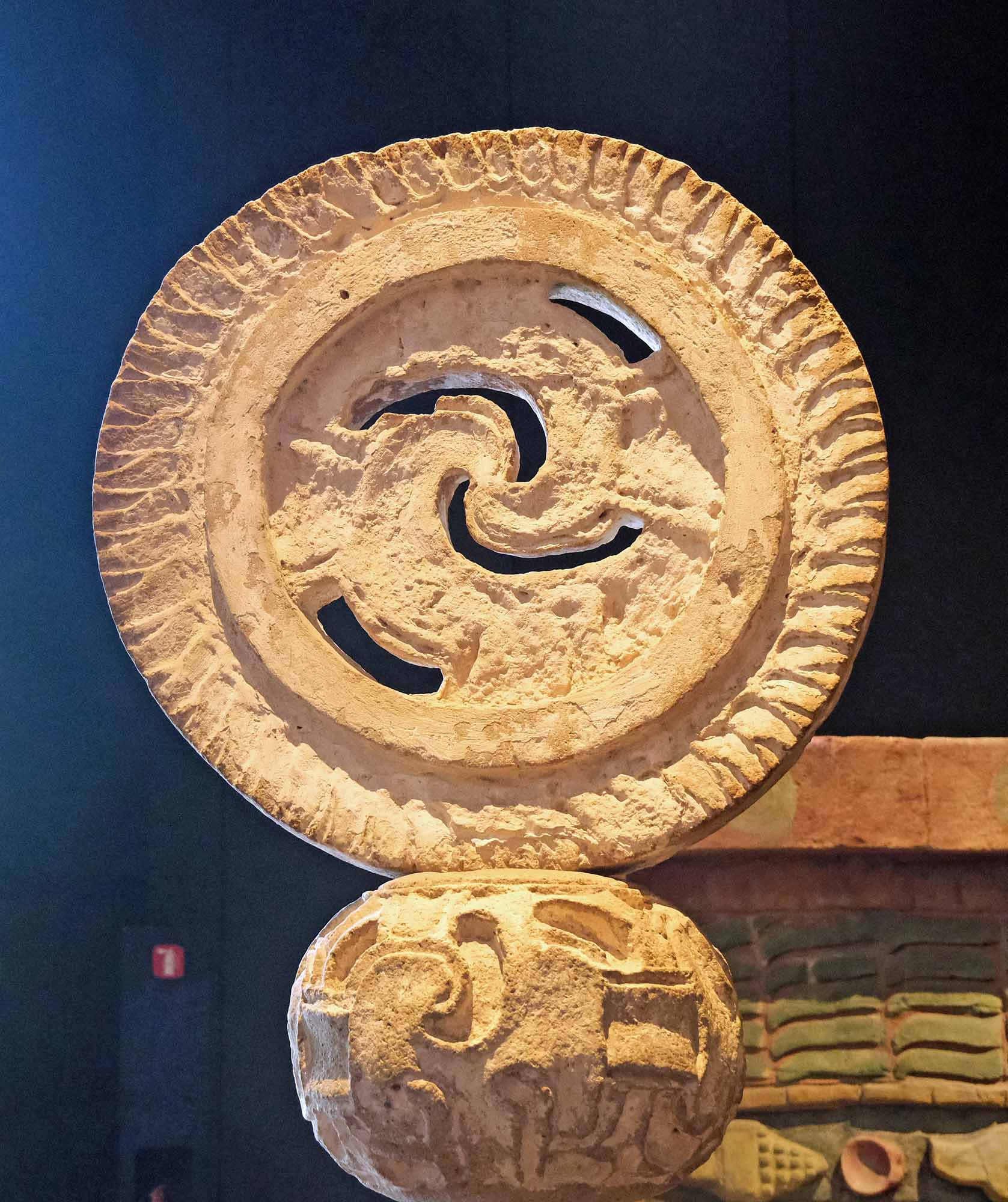
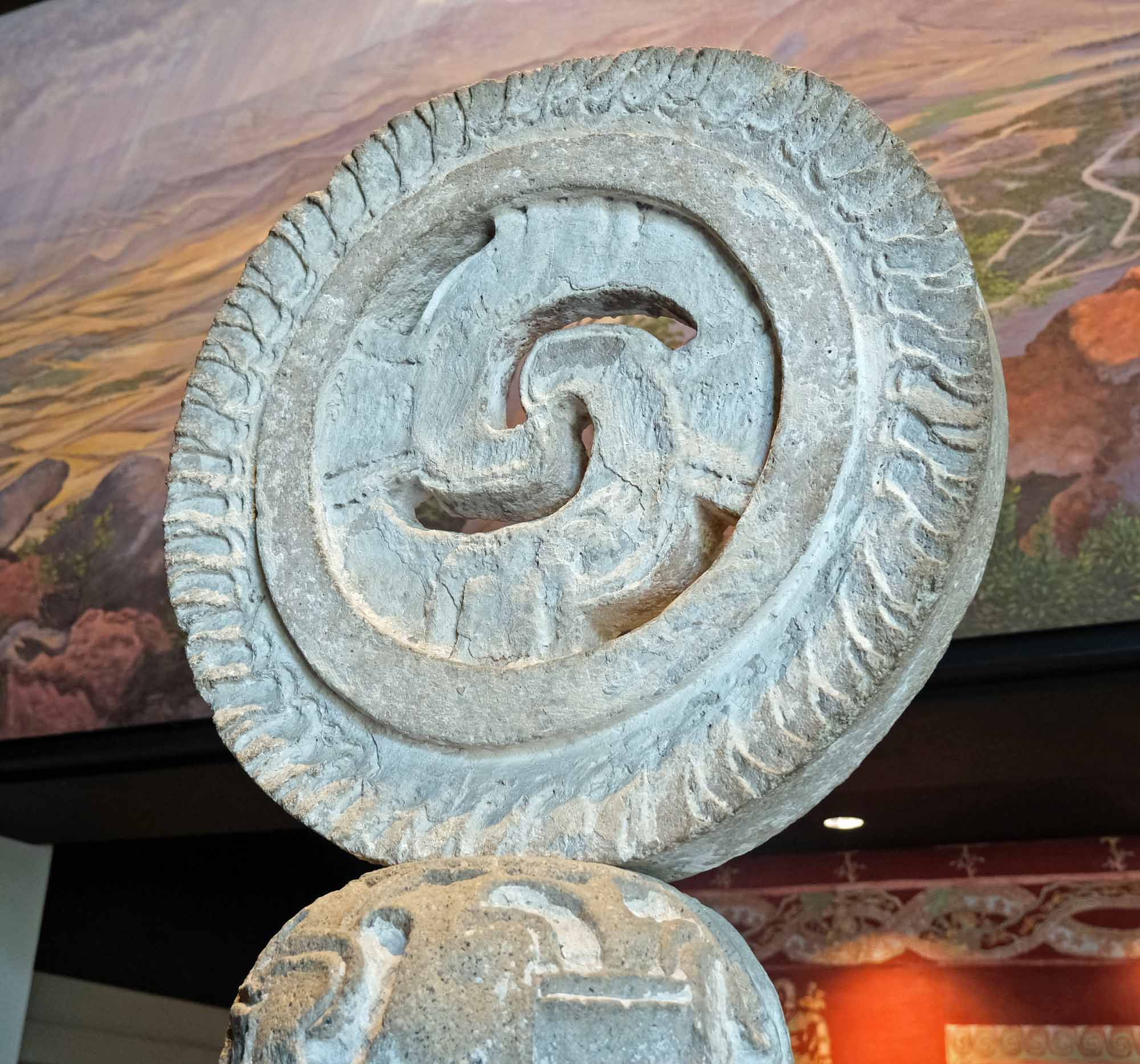
↑↑↑at the Museum of Anthropology. Date unknown.
Long ago, a farmer from a ranch west of La Ventilla approached an archaeologist excavating and offered him this. The archaeologist immediately asked for details about the location of the excavation, but he simply replied, "It's around there." The farmer was never found again.
I hesitate to say for certain that this is a "ball target on a game." There is no sign of any damage that would suggest it was hit by a heavy rubber ball. Meanwhile, let's take another look at the Tepantitla murals.
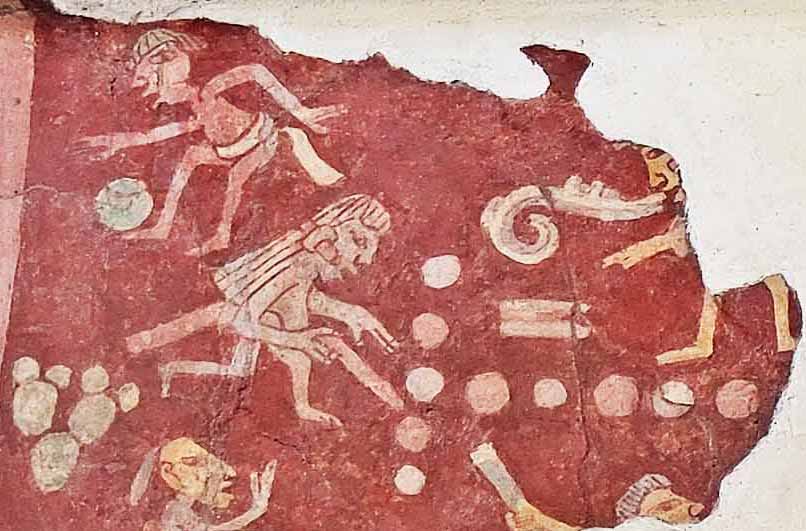
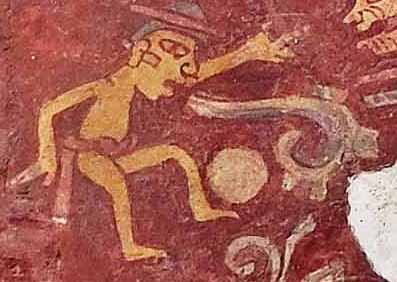
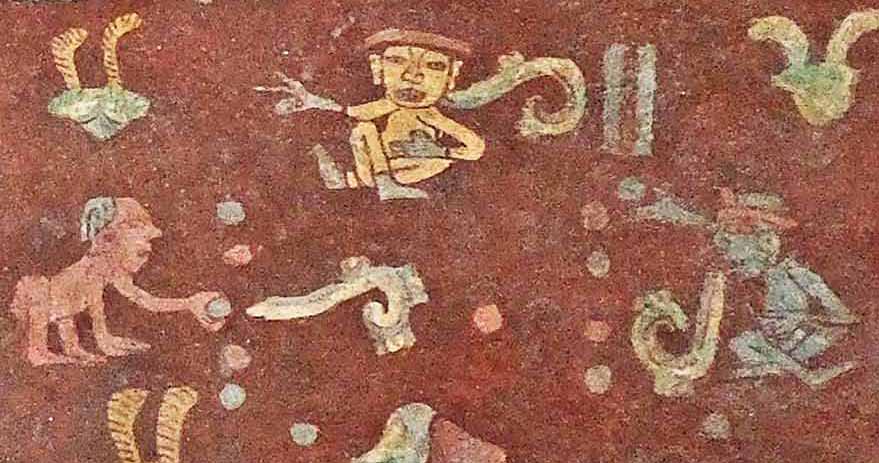
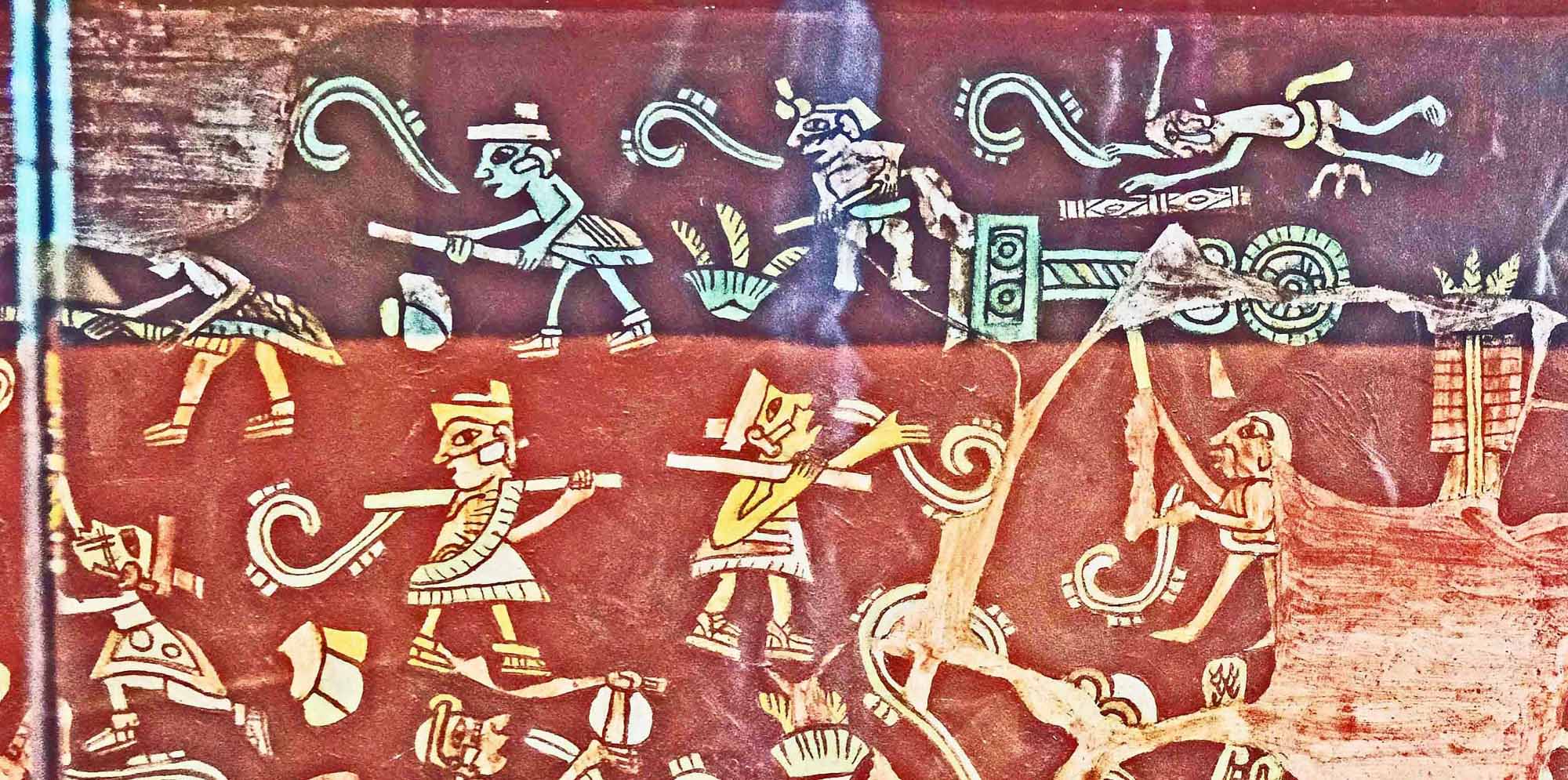
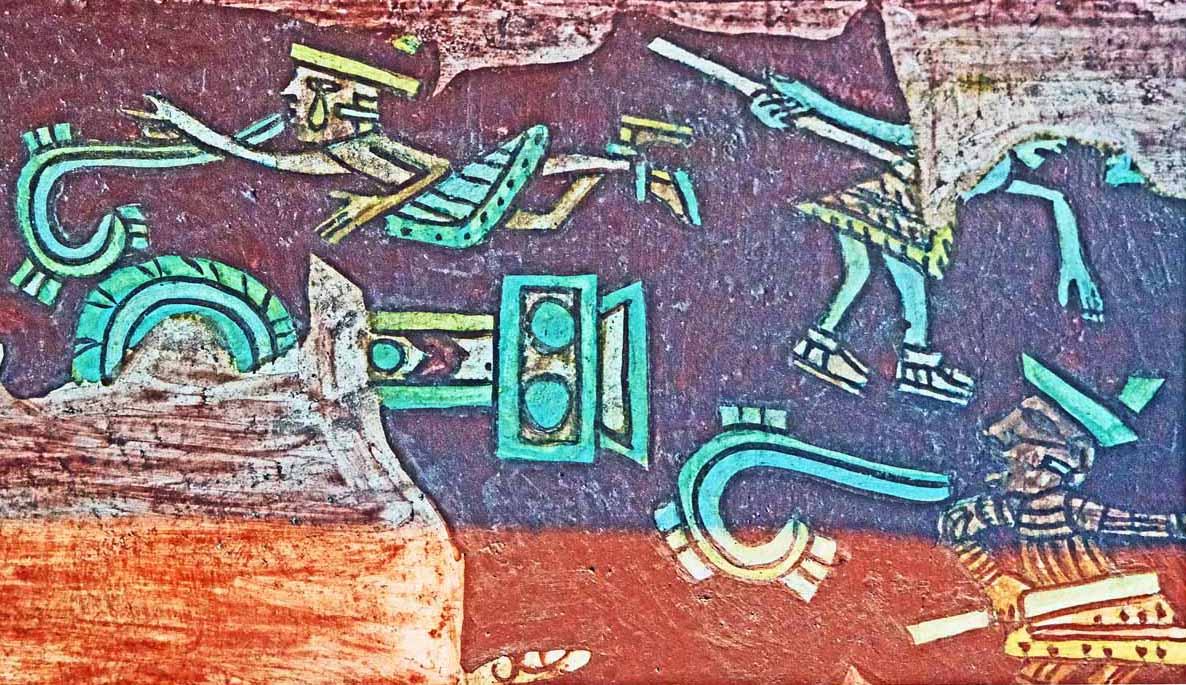
↑↑↑Original from Tepantitla, ↑↑Replica at the Anthropological Museum.
In the first three pictures, people are playing with a ball. In the fourth and fifth pictures, a ball-hitting stick and a long, horizontal object are depicted. The details are different, but they are similar. What is intriguing is that they are lying down. If they were to stand upright, they would be unstable, so one could say that they are intended to represent the state in which they are usually lying down.
A similar object has been found in South Tikal. Let's take another look. It's the "Tikal Marker/Marcador." Only a few archaeologists call it a ball marker, and it is now considered a "stone replica of a military standard."
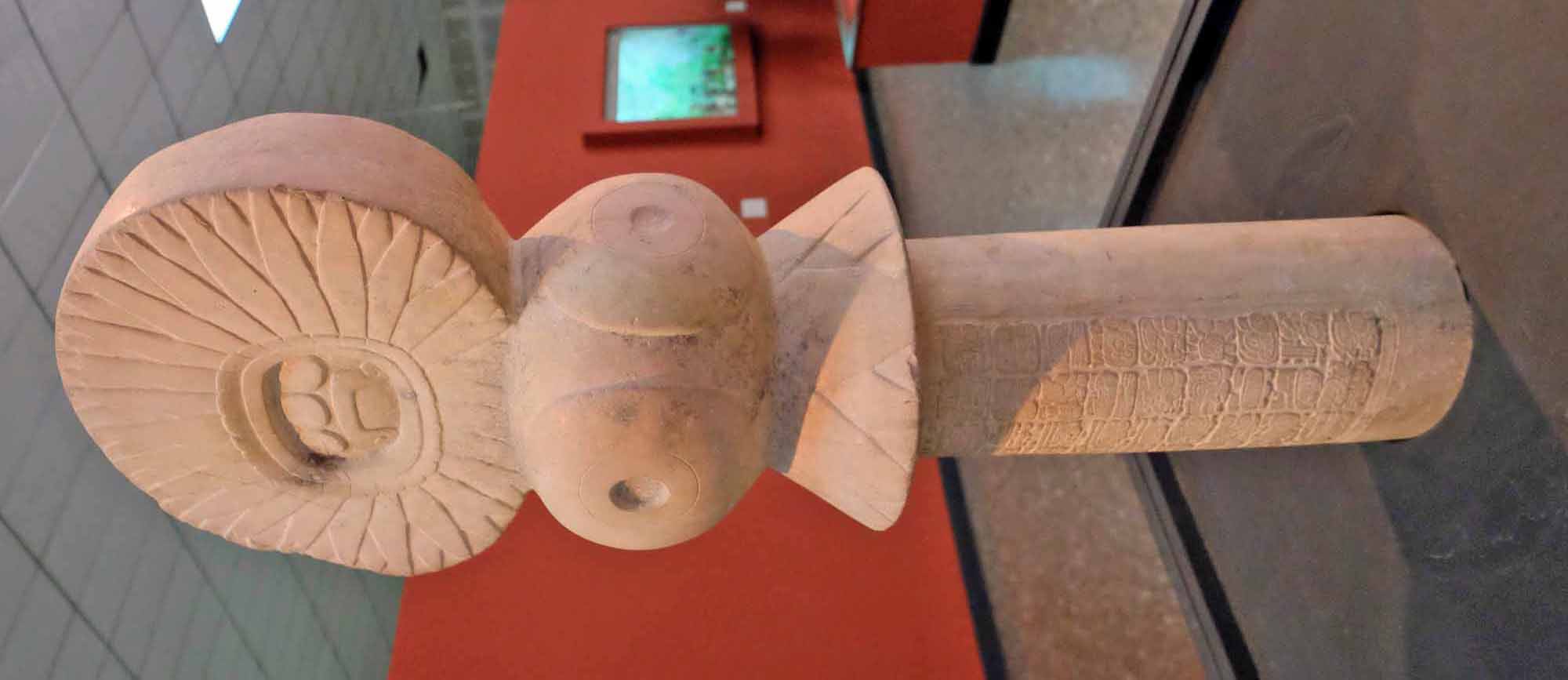
↑National Museum of Guatemala. "Tikal Marker/Marcador."
I have never seen a photo of the Teotihuacan Ball Marker disassembled, but I have read that it can be disassembled into four pieces, making it easy to carry.
In Tepantitla, ball game was played by commoners, but ultimately there was a ritual in which the loser/winner was beheaded. The nature of the ball game at all ruins lies somewhere in between. Now, let's imagine a story that could be imagined at Teotihuacan.
1. Until 100 AD, there was a permanent ball court (Building 5) at pre-Ciudadela.
2. Interested the neighborhood apartment complexes could apply to pre-Ciudadela to participate, and "district ball game tournament" was held.
3. Each team sent its best players, and the cheering squads were also enthusiastic.
4. Each region erected a marker in the cheering section to represent their region. Since the markers were disassembled, a few people carried them to the Pre-Ciudadela and reassembled them. The markers were decorated with glyphs indicating the region's name.
5. After the game, a banquet was held with food and pulque provided by the Pre-Ciudadela, and participants vowed to continue living in harmony together in the future.
6. In 100 AD, Building 5 at the Pre-Ciudadela was demolished. Instead, the Teotihuacan government periodically held "district ball games tounament" in one of the five semi-underground courtyards in the central Street of the Dead.
7. The residents had a lot of fun. They were familiar with games that involved balls, so the people of Tepantitla depicted them on their murals.
Hmm, maybe a bit too fairy tale-like.
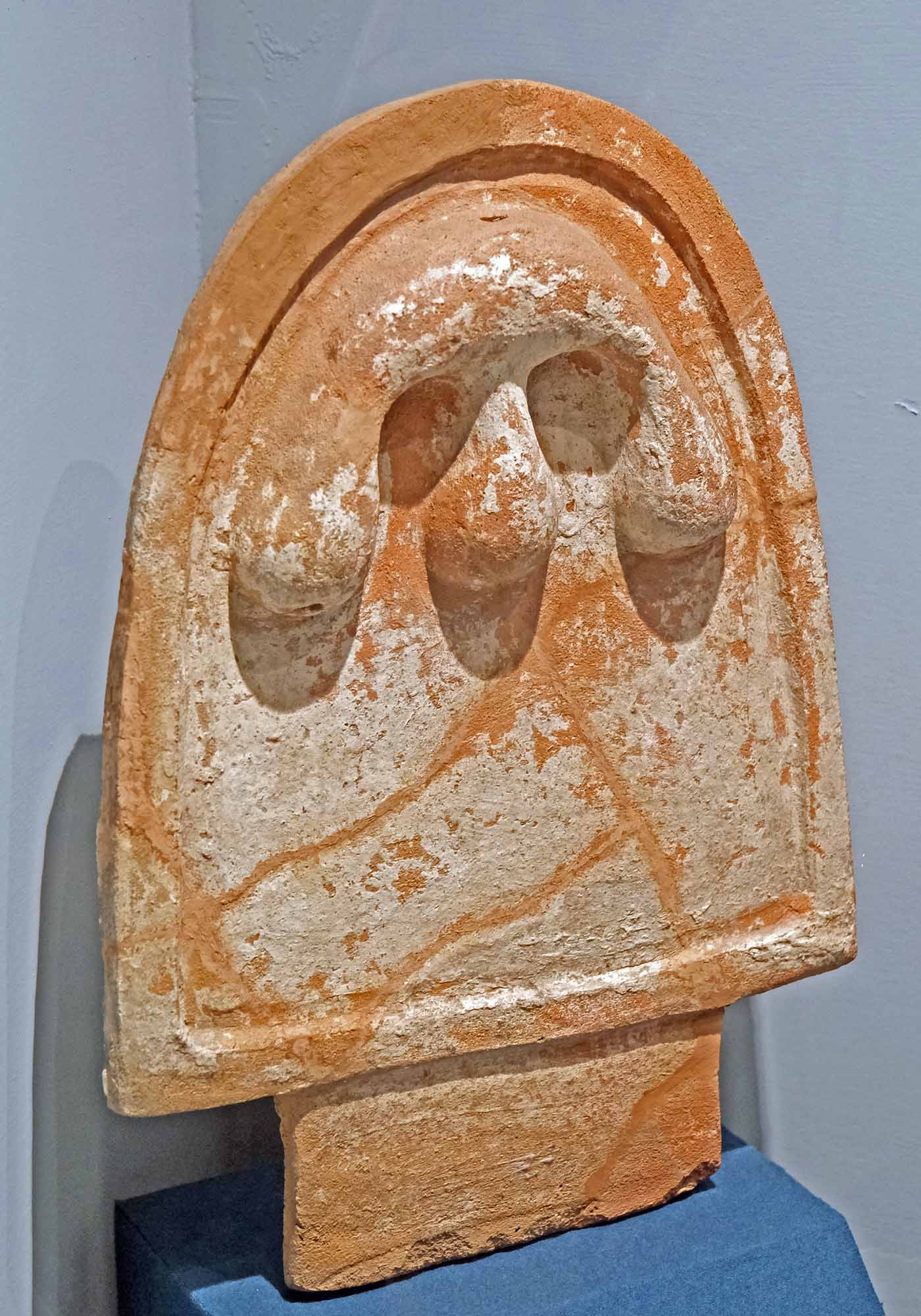
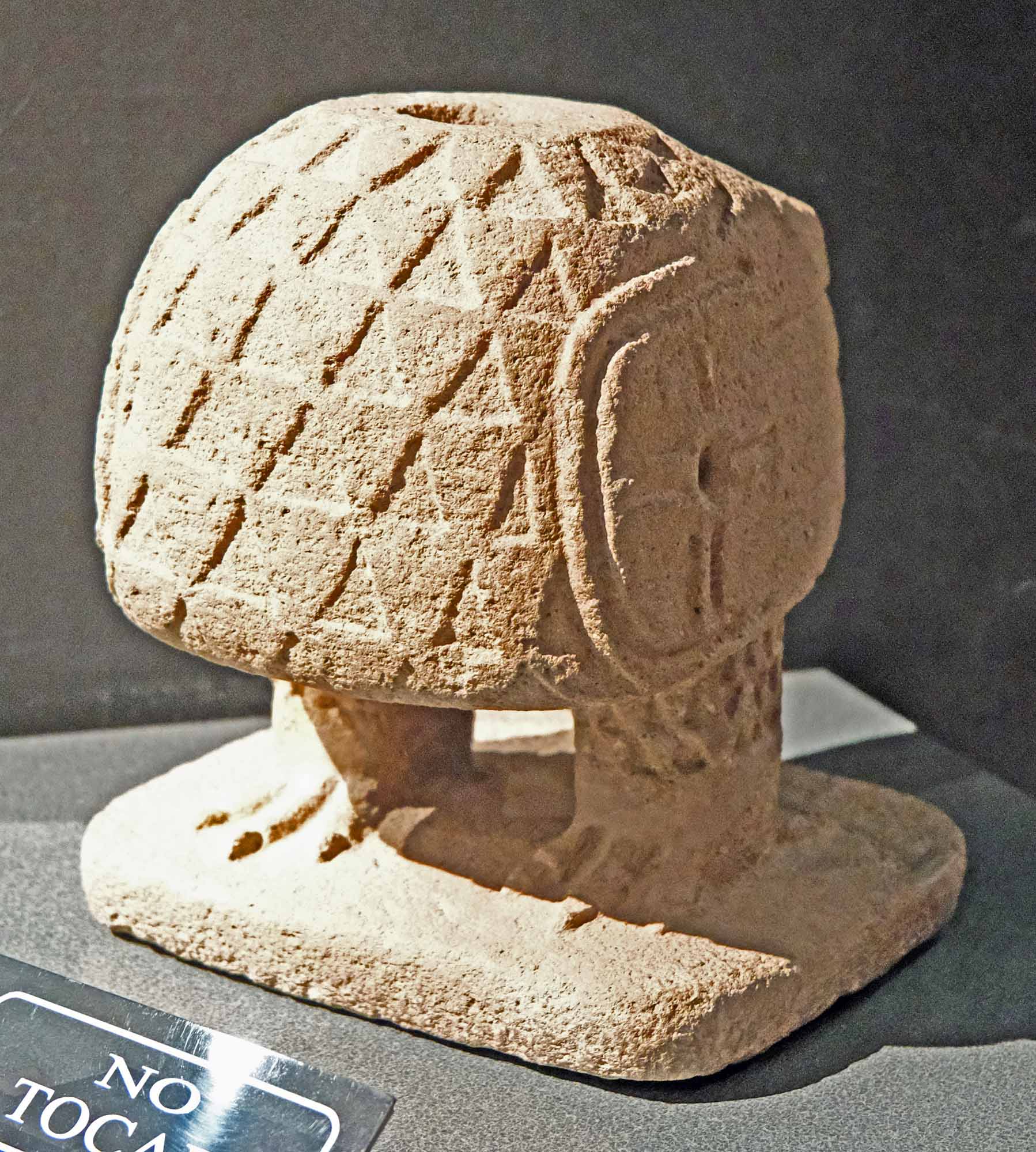
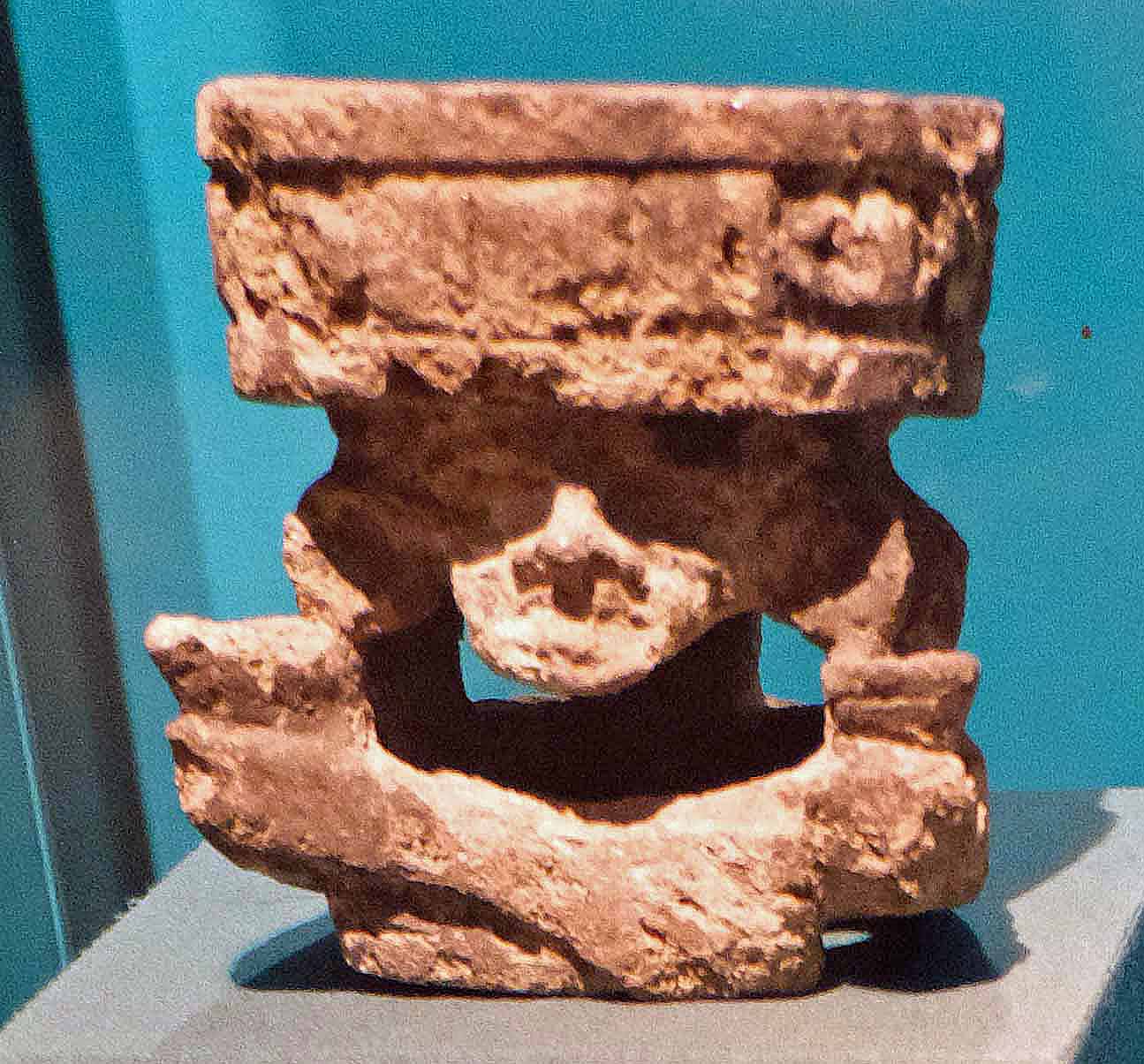
↑↑↑at the Cultural Museum. Almena dates back to 200 AD-350 AD. The bird figurine dates back to 200 AD-350 AD. The Old Fire God excavated from the western ranch dates back to 450 AD-550 AD.
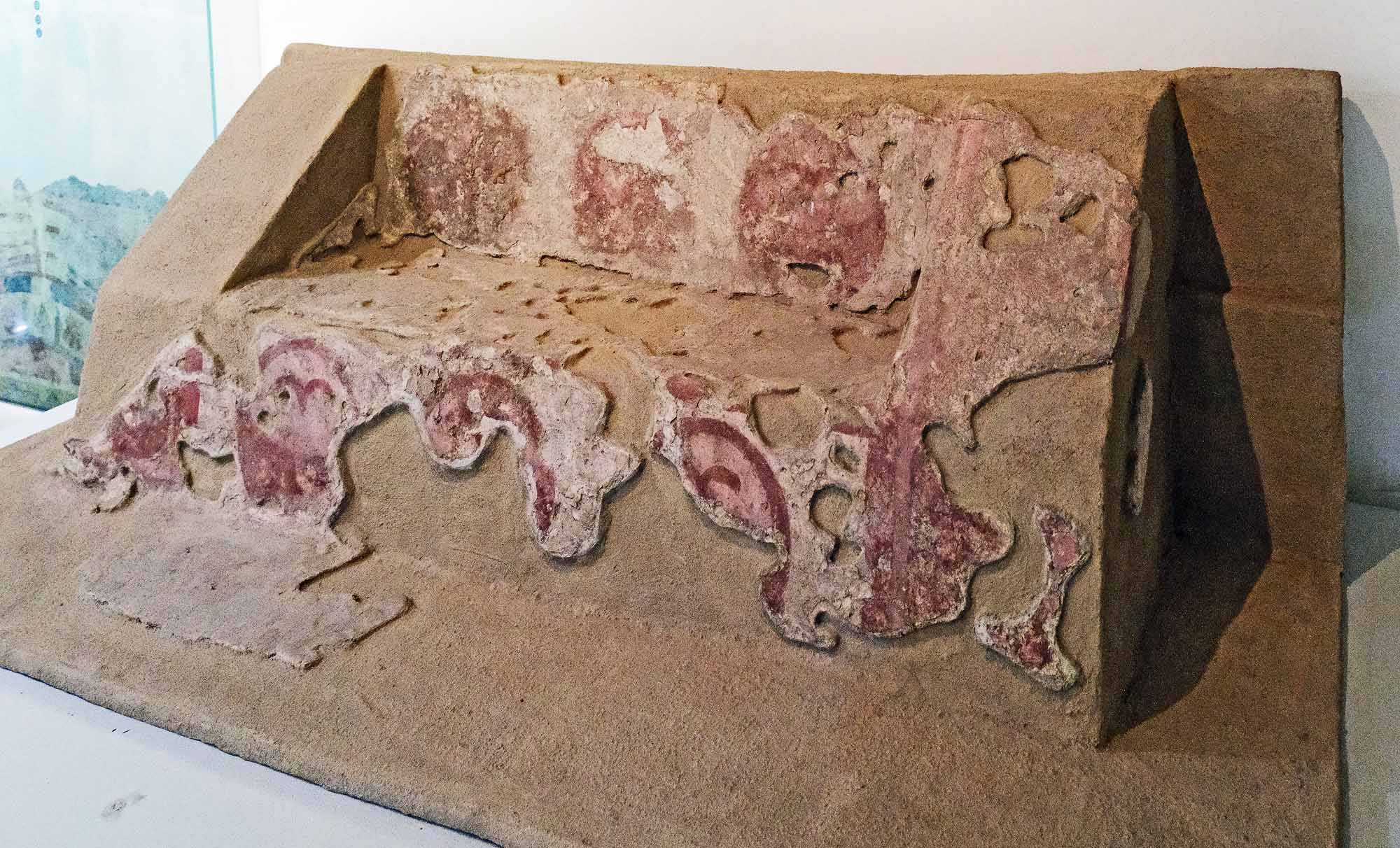
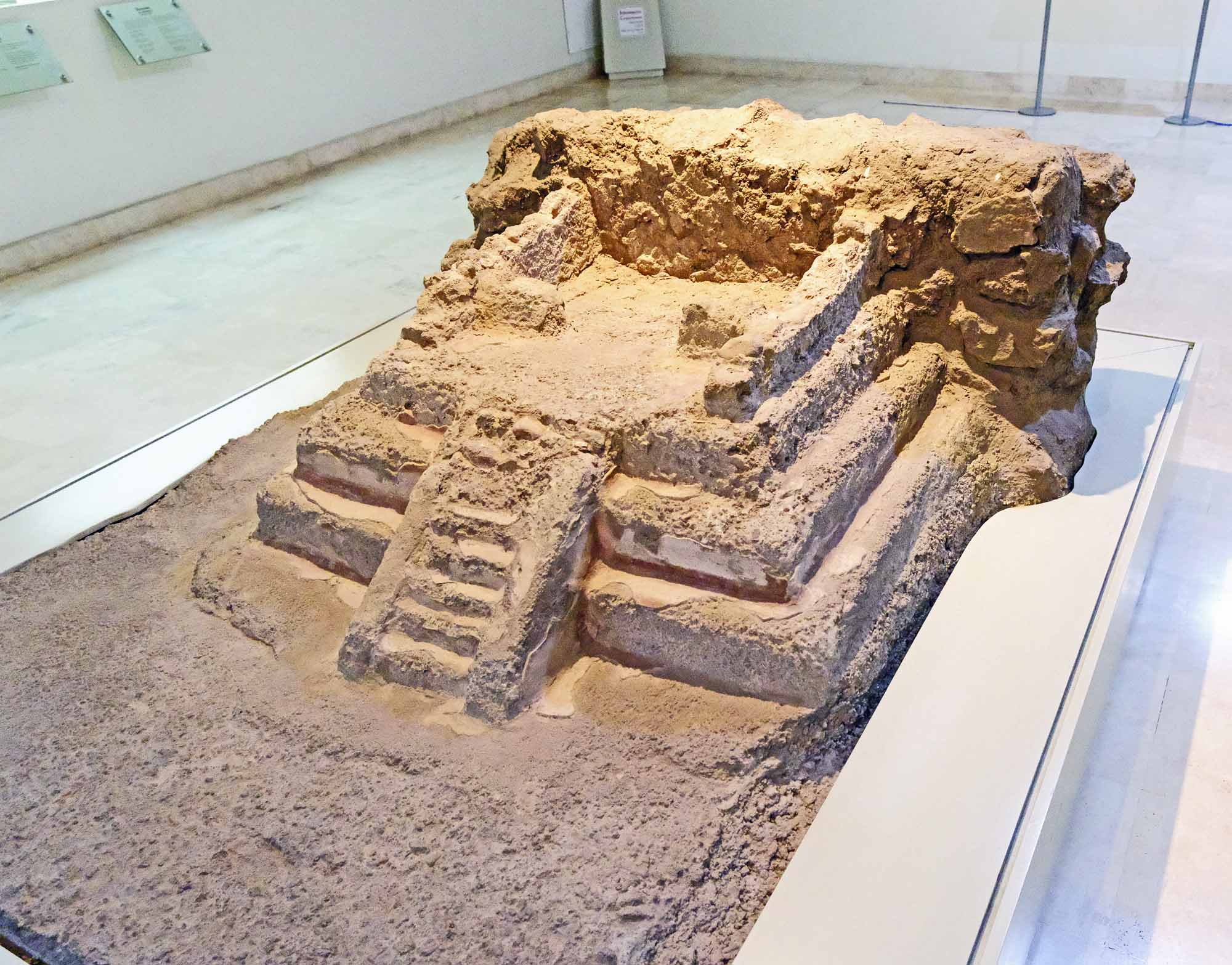
↑↑At the Museum of Murals. Stairs. Is the miniature altar in excavation section 3 a replica or a blueprint?
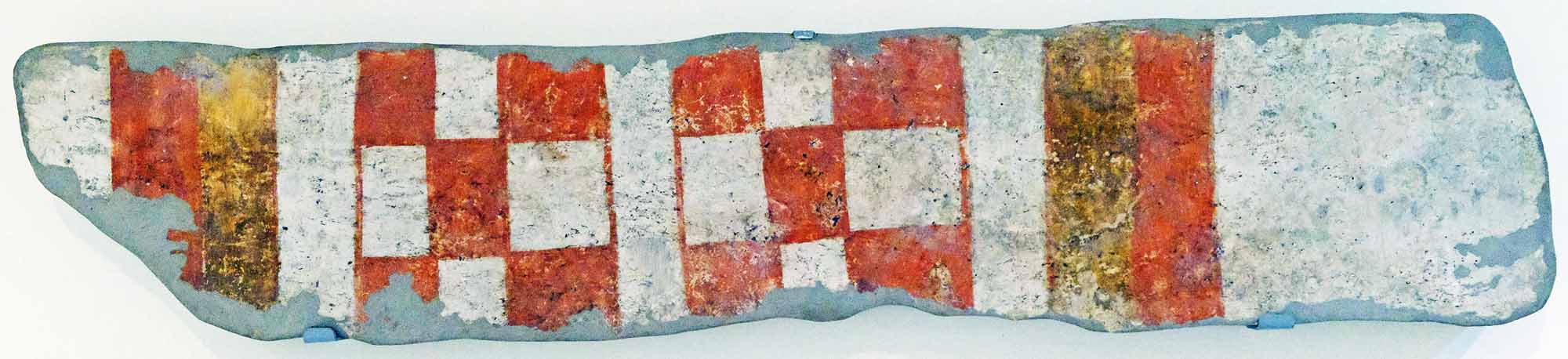
↑At the Mural Museum. Simplicity indicates an era.
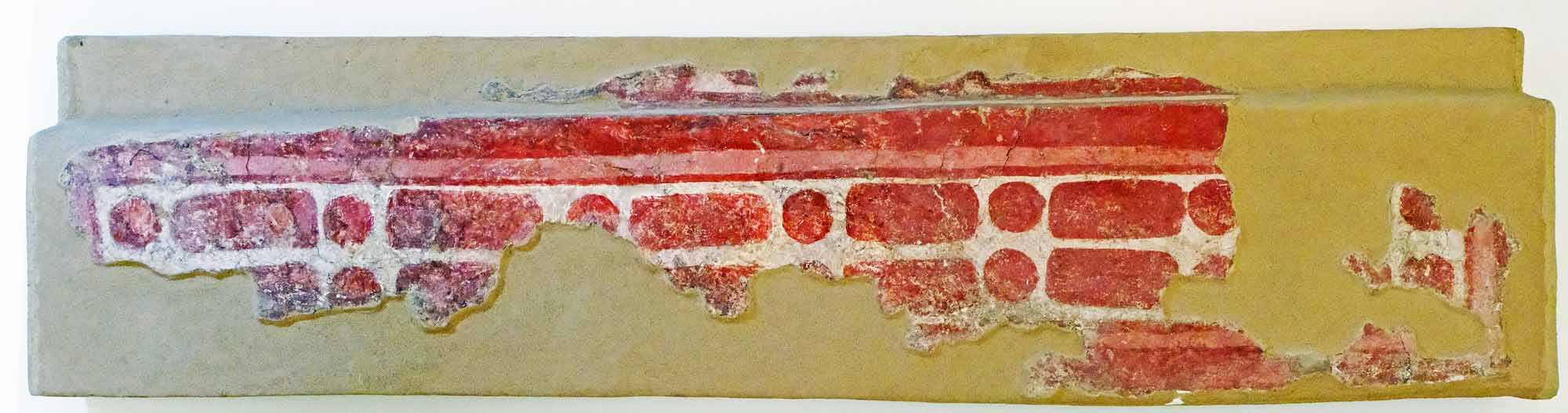
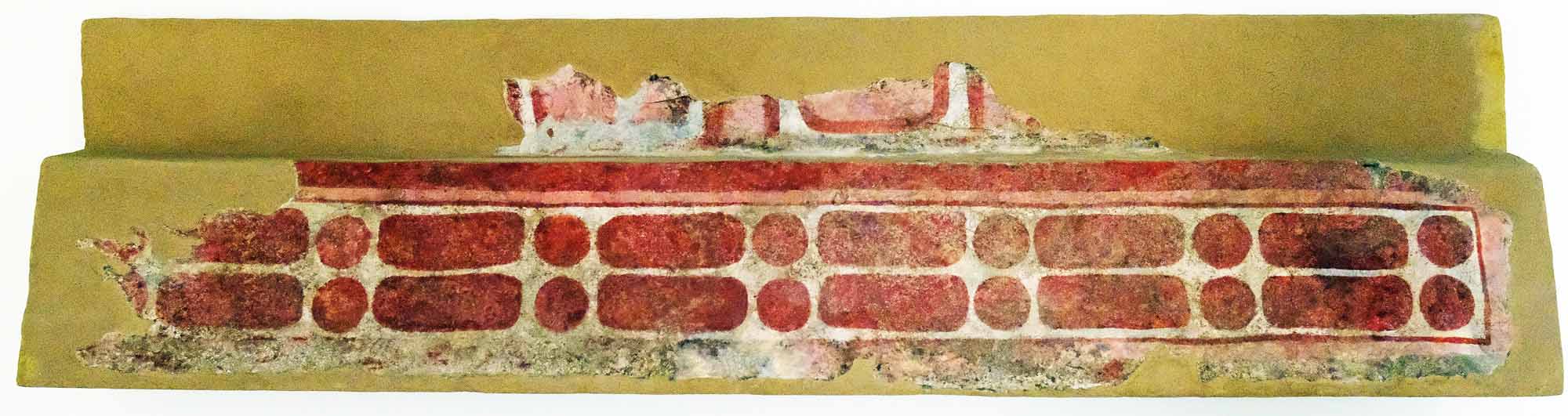
↑↑At the Mural Museum. A mural of a circle and horizontal bars on the "South Facade"?
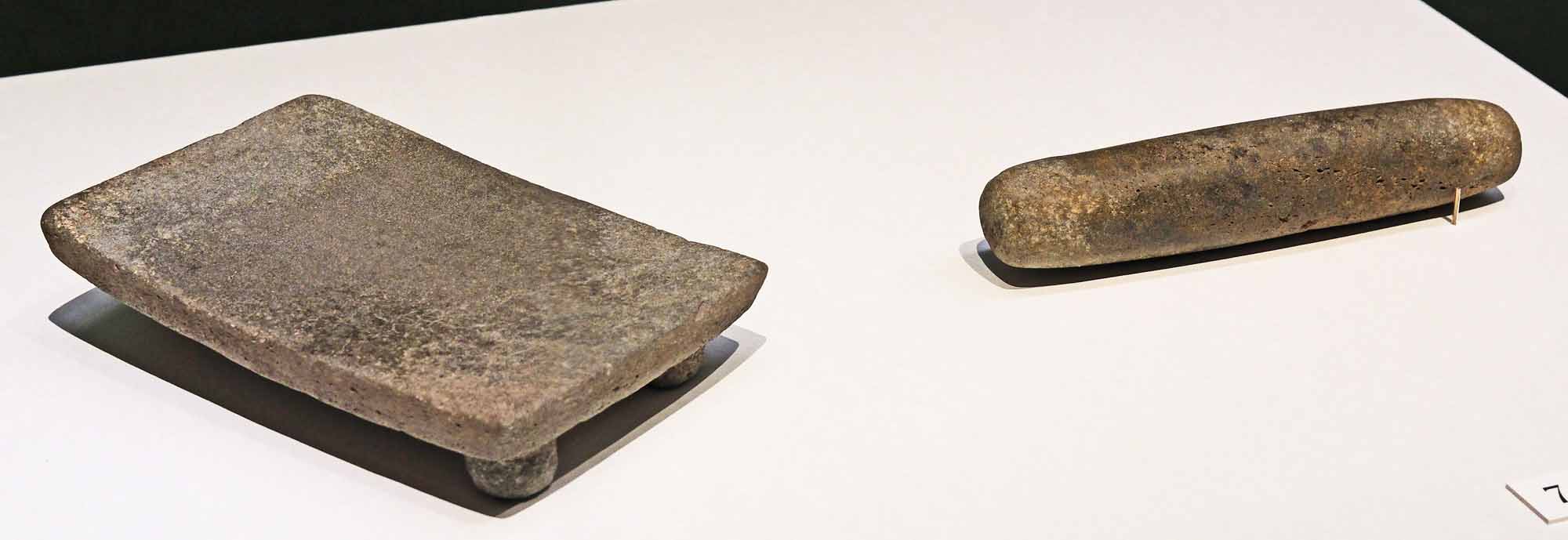
↑At Ancient Mexico Exhibition 2023 Tokyo. Metate and Mano, 250 AD-550 AD.
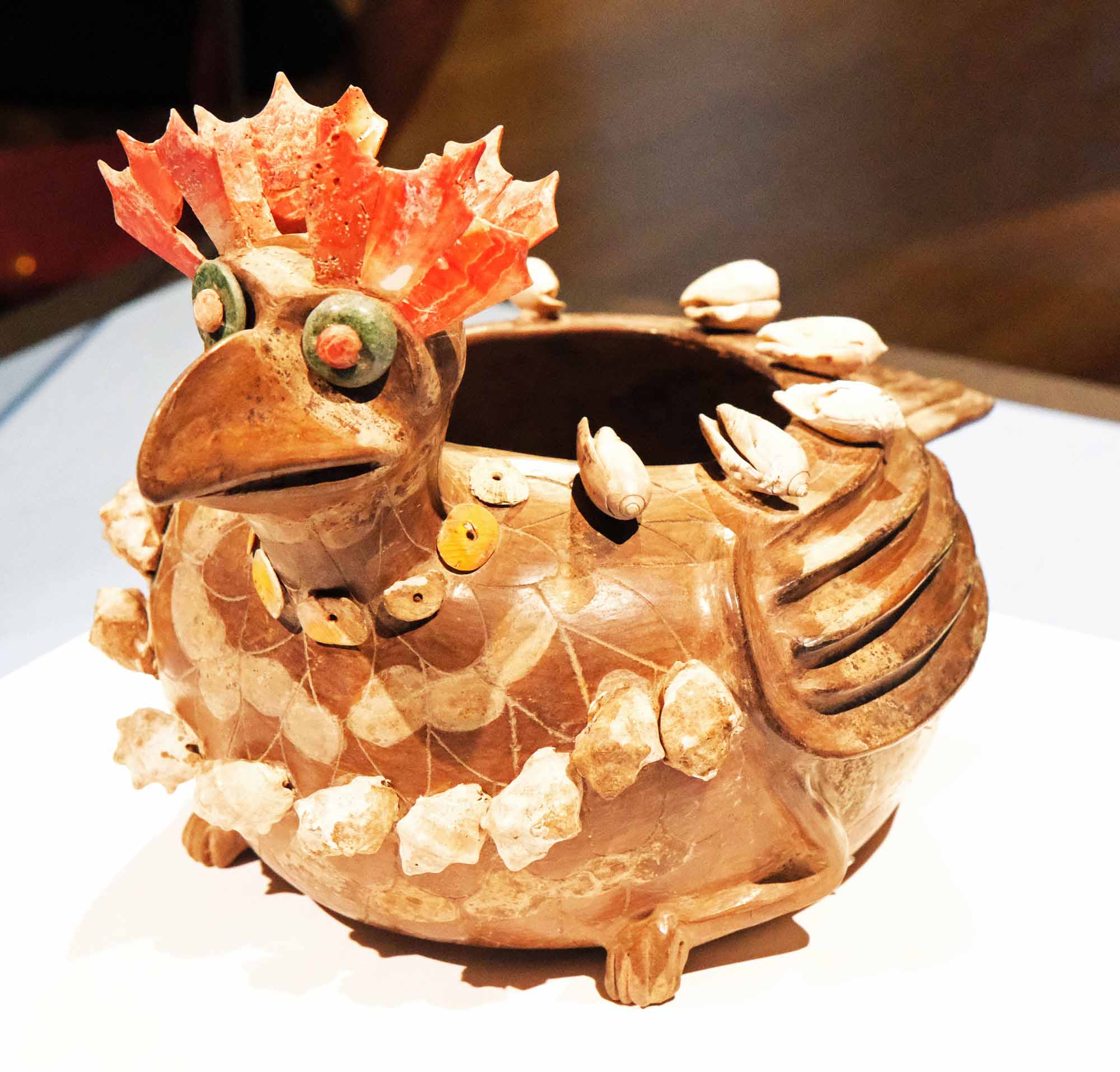
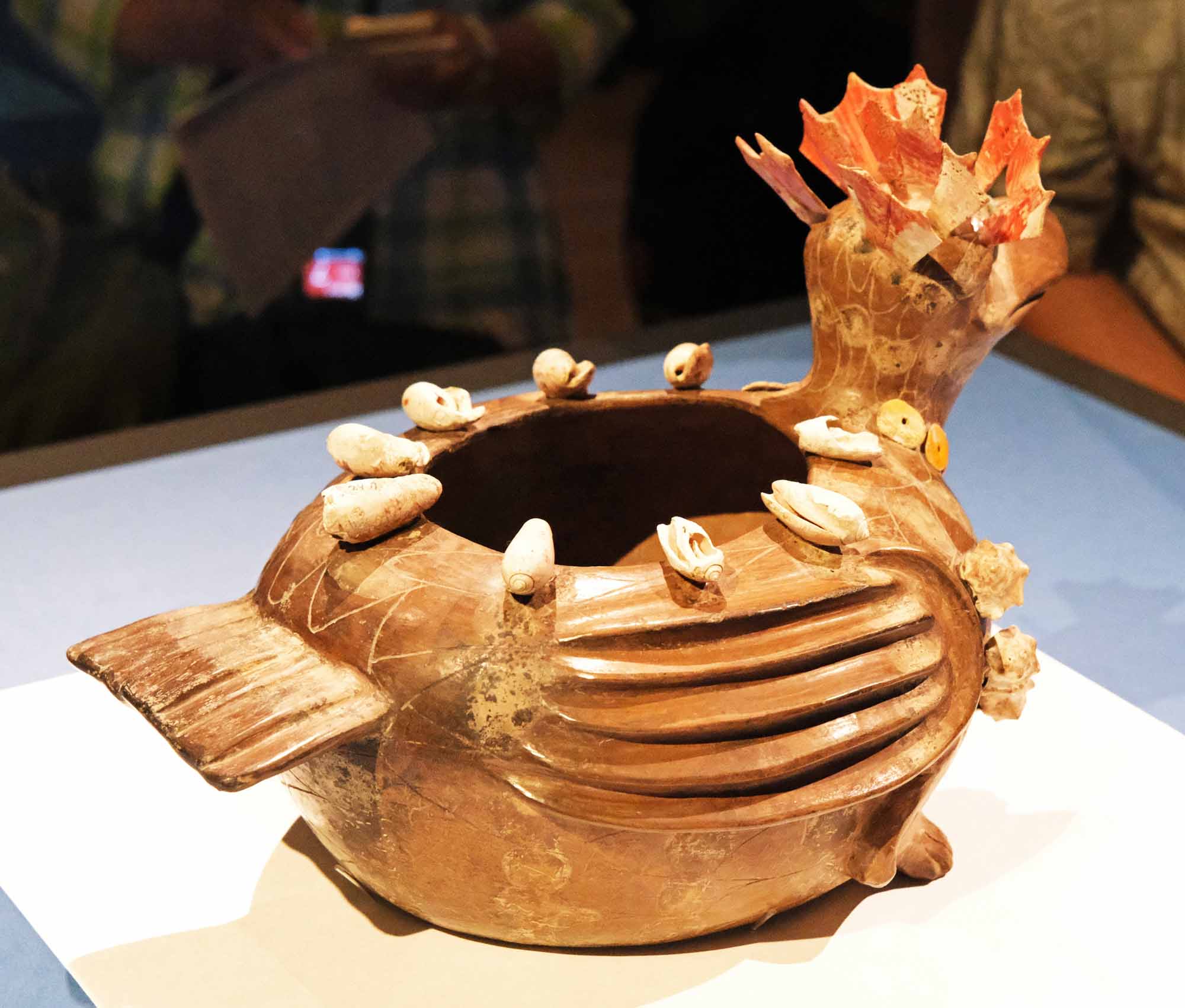
↑↑At the Ancient Mexico Exhibition 2023 Tokyo. The "Mad Duck" was buried in the tomb chamber of La Ventilla B. 250 AD-350 AD.
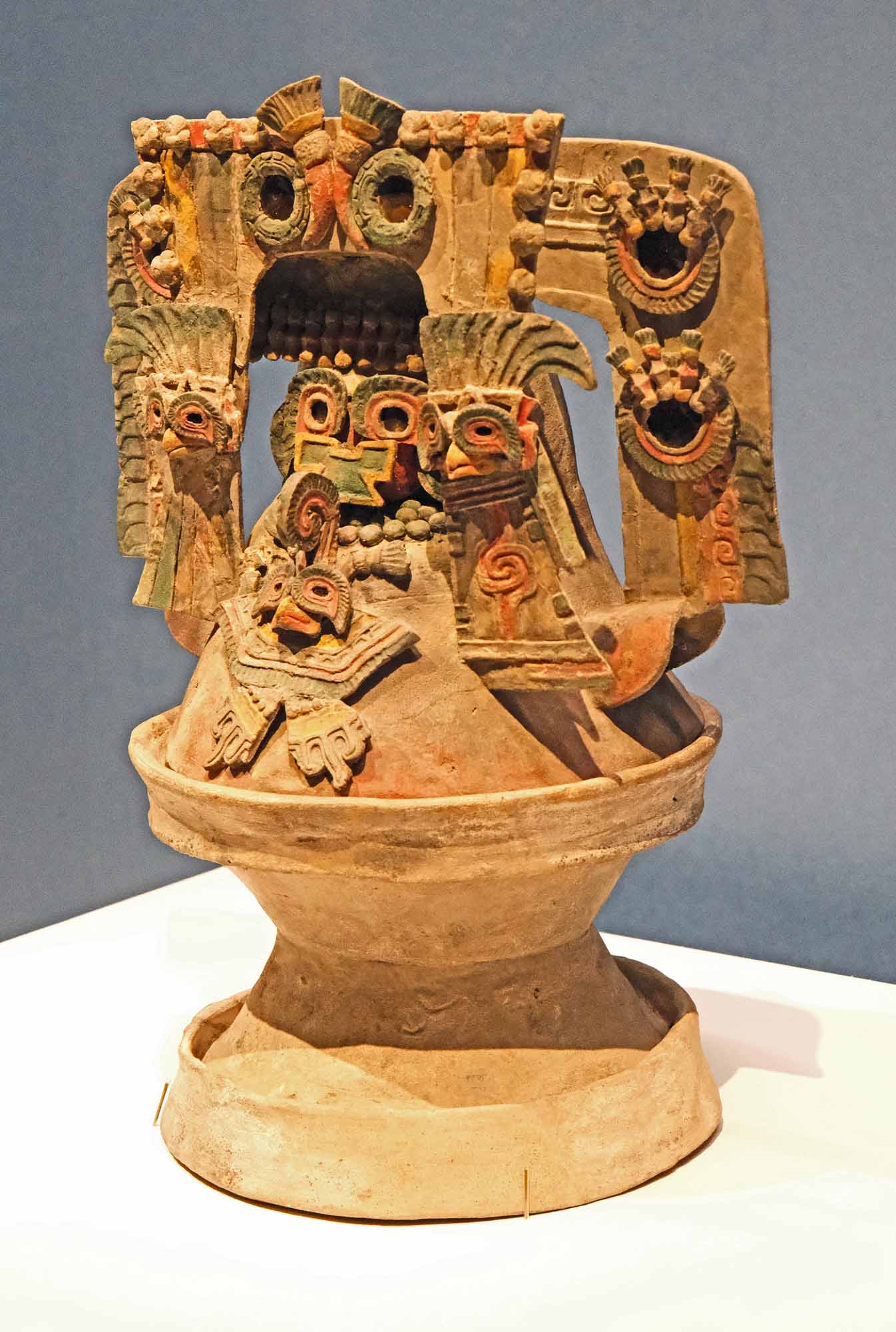
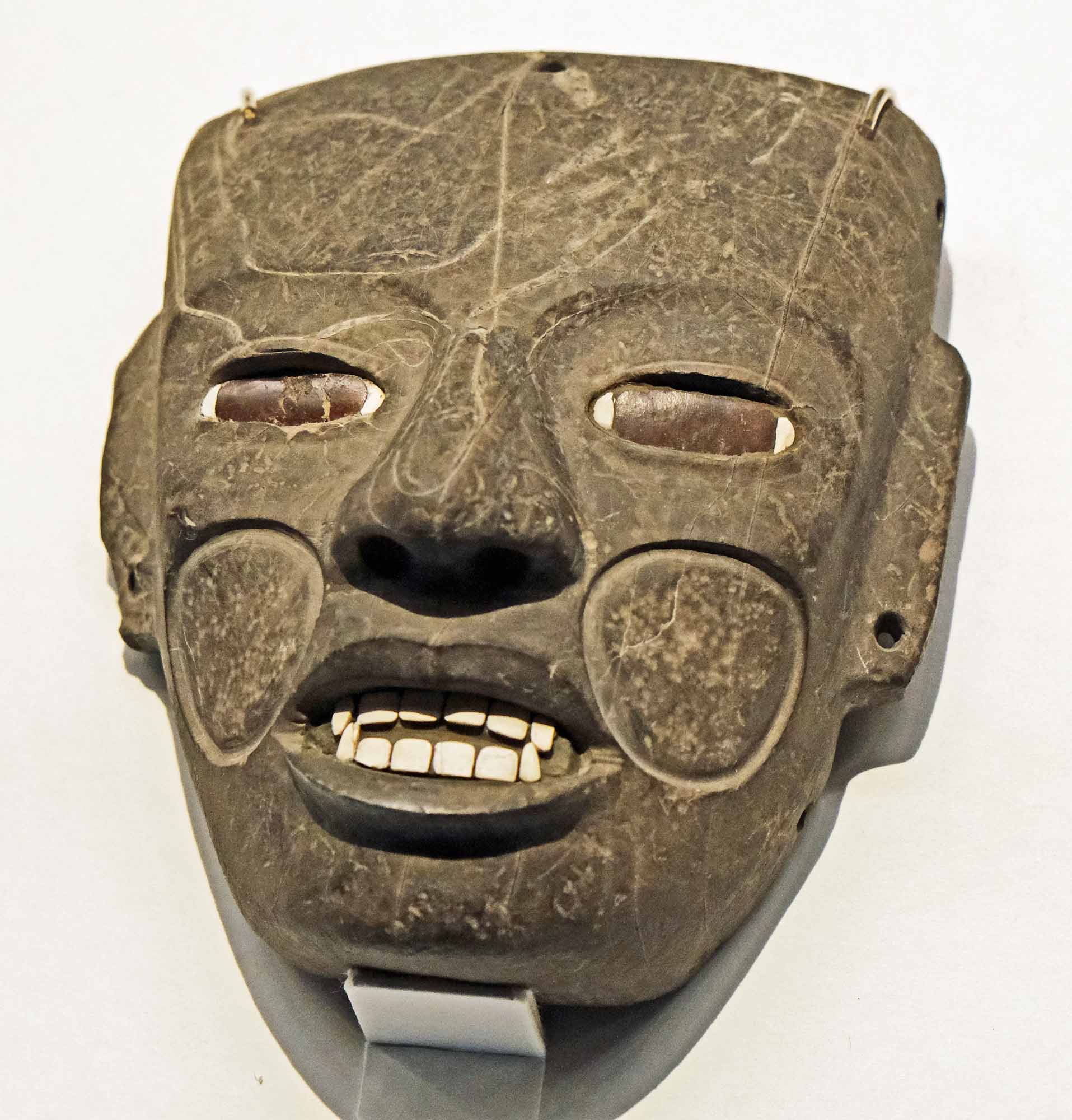
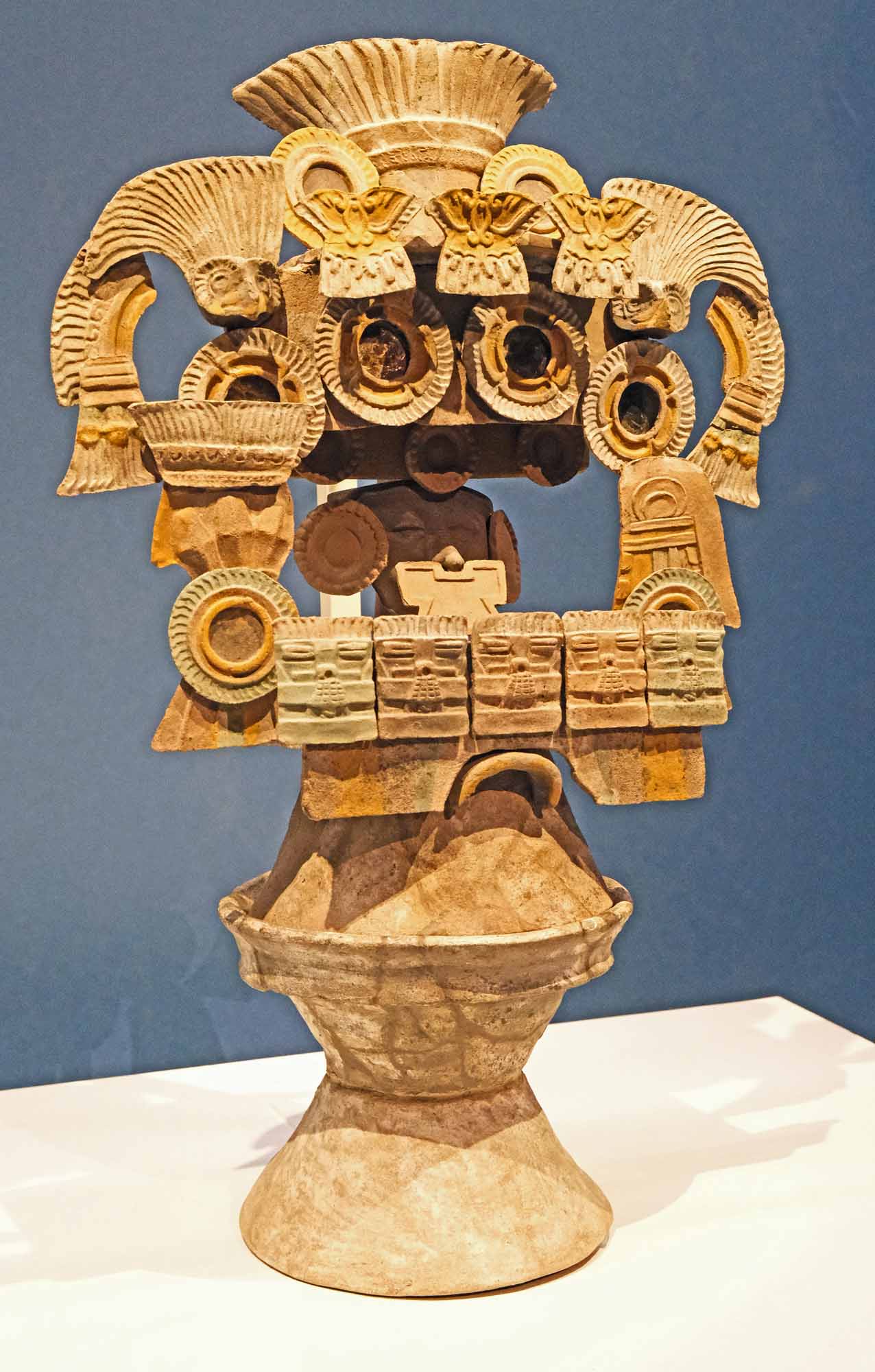
↑↑↑ at Ancient Mexico Exhibition 2023 Tokyo. The theatrical incense burner excavated from Palace B dates to 350 AD-550 AD. The mask, partially unfinished, was excavated in the craft area and dates to 350 AD-550 AD. The theatrical incense burner dates to 350 AD-450 AD.
Patio of Glyphs
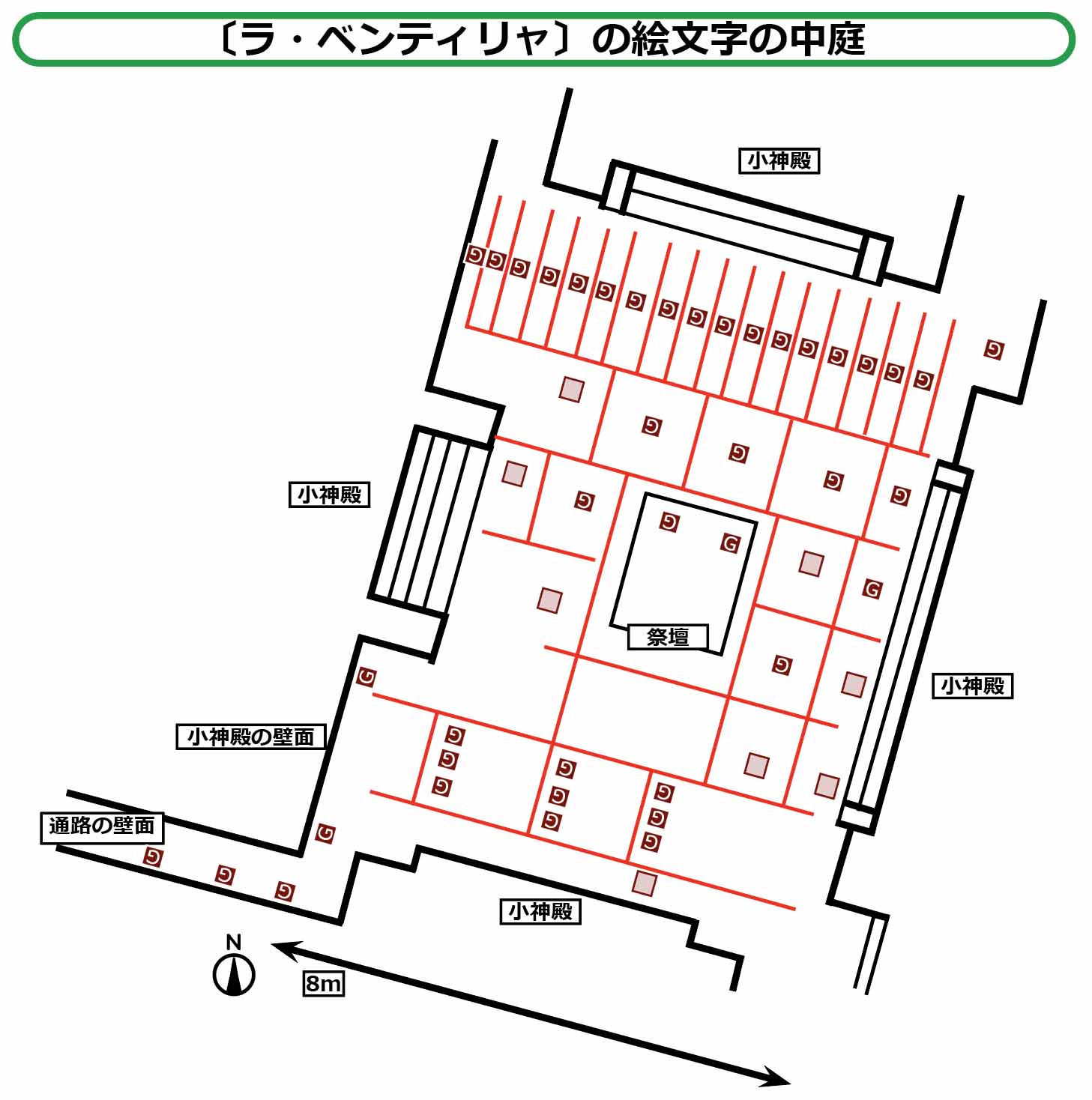
To date, this is the only courtyard with pictographs found in Teotihuacan. The pictographs were inscribed in 300 AD and covered by a new floor in 400, so they were visible for 100 years.
Unfortunately, there are 42 images that cannot be presented here, as no museums even have replicas of them. Eight of them clearly depict Tlaloc, each with different appendages, and one is the only full-body image found at Teotihuacan.
The simple line drawings of the gliphs have a certain charm, and I think it's fair to call them undeciphered gliphs. Please search online. It has also been reported that there must have been more than 42, but the total number is unknown.
Within the frame divided by straight red lines on the courtyard floor, there are 28 single pieces, three sets of three gliphs in a row, two single pieces on the wall of the small temple on the west side, and three single pieces on the wall of the southwest passage.
In the layout diagram above, gliphs are indicated by a G. This is because they can be read one by one, top and bottom. Also, there are areas that are separated by red lines, but where no clear traces of gliphs were found. These have been indicated by brown squares.
What did each of these pictographs mean? There is a modest theory that they were place names rather than people's names.
If the nearby Great Compound was a market, then the quantity of trade goods brought there would have been indicated by placing a single piece of obsidian underneath a pictograph of the name of the region bringing the goods, such as 100 pieces of obsidian, or a single piece of conch shells, or corn... However, records of goods receipt would have been kept afterwards, but those fragments have not been excavated, so if one were to memorize them, memories become hazy... Also, place names would be easier to understand if they were mapped from the beginning rather than arranged geometrically... But no, if the reason was the proximity of a market, then wouldn't Northwest Complex of Rio San Juan be more appropriate than La Ventilla?
I'll leave my confusion there.